


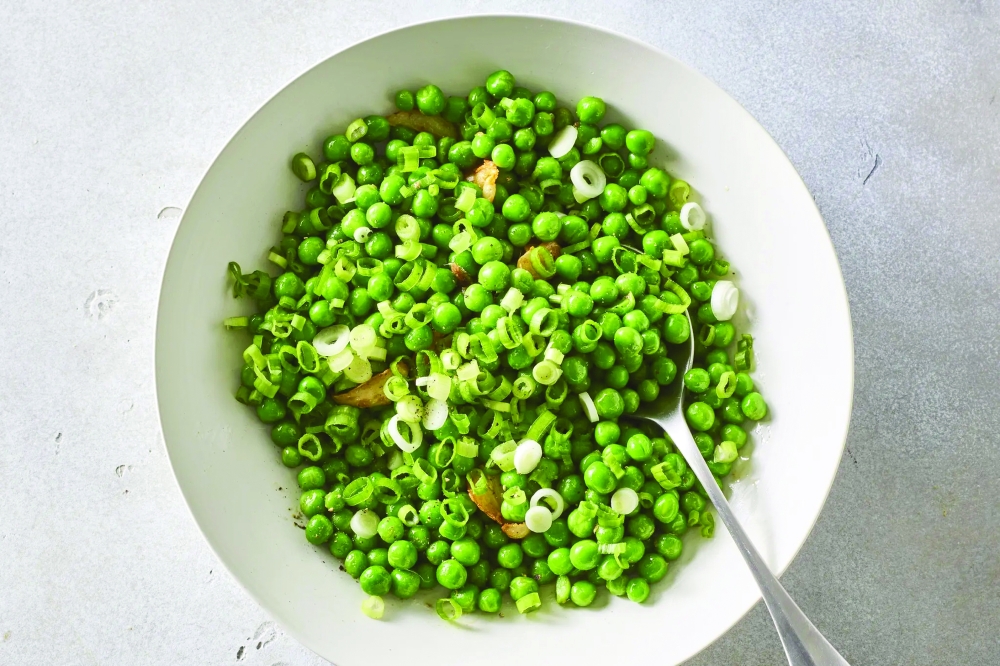
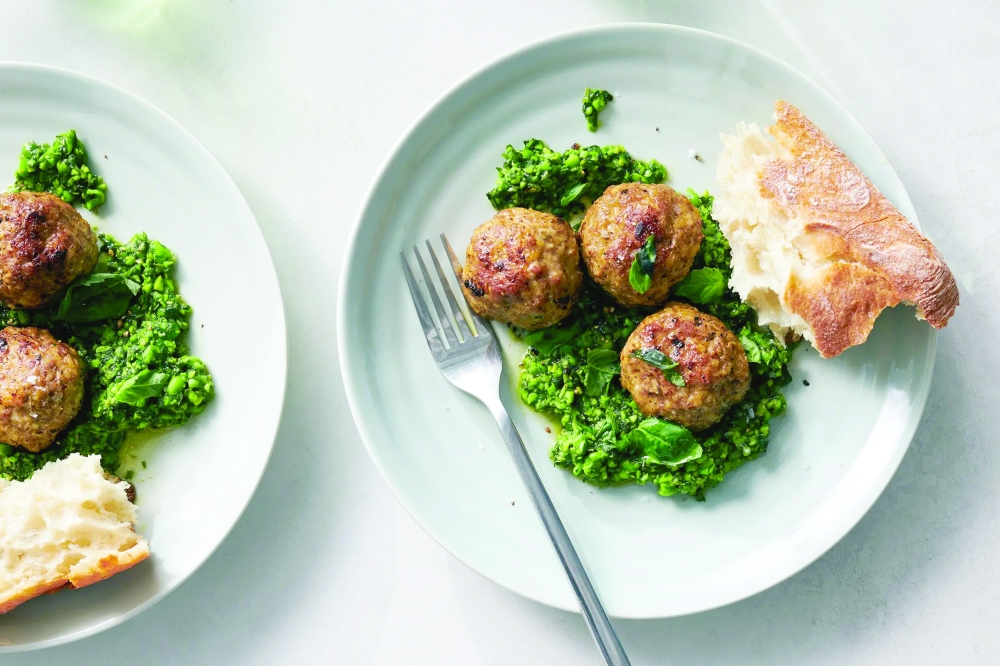





The humble pea has a lot going for it. Gregor Mendel, the “father of genetics,” used pea plants to study how heritable traits were passed from parents to offspring. The plants are also friendly to the environment, with a low carbon footprint and roots that naturally nourish the soil.
And, love them or hate them, “peas are powerhouses of nutrition,” said Rebecca McGee, a plant geneticist at Washington State University.
Peas, which are members of the legume family, are high in protein and fibre, she said. And though they taste sweet, they are full of complex carbohydrates that won’t spike your blood sugar. Garden peas (also sometimes called sweet peas or English peas) are the most common type to be found in grocery stores, often sold frozen, fresh or canned. Other common varieties, usually eaten with their pods intact, are snow peas and snap peas.
Here’s a taste of what’s great about peas, no matter the variety, along with recipes from New York Times Cooking.
Peas are a good source of protein.
While peas don’t pack the same protein punch as other legumes like lentils or beans, they still rank high among plant sources, said Gary Frost, a professor of nutrition and dietetics at Imperial College London.
A standard half-cup portion of cooked garden peas, for instance, contains about four grams of protein. You’ll get even more if you centre them in your meal. One cup has around as much protein as you’d get from a three-ounce serving of firm tofu. A cup of cooked snow peas has about five grams of protein.
Tom Warkentin, a professor of plant sciences at the University of Saskatchewan, said the relatively high protein content of peas makes them an ideal source for protein powders, alternative meat products and plant milks.
They’re packed with ‘good’ carbohydrates.
One cup of cooked garden peas has about nine grams of fibre — supplying about a quarter of the 38 grams per day that is recommended for men and nearly a third of the recommended 25 grams per day for women.
Most of that is insoluble fibre, which passes through the gut undigested and helps prevent constipation by bulking up stool. The rest is soluble fibre, which slows digestion by attracting water and forming a gel in the intestines. Eating 5 to 10 grams of soluble fibre per day, research suggests, can help lower LDL (or “bad”) cholesterol; one cup of frozen green peas has just over 2.5 grams.
Peas also contain what’s called resistant starch, which passes through the small intestine undigested and — along with the soluble fibre — feeds the good bacteria in the colon. The bacteria, in turn, produce molecules that suppress hunger, keeping you feeling full, Dr Frost said.
Peas are relatively high in amylose, a component of starch that is digested slowly, so it doesn’t cause a sharp rise in blood sugar, Dr Warkentin added. Over time, glucose spikes increase the risk of insulin resistance, which can lead to Type 2 diabetes.
They’re beneficial for your eyes.
As with other legumes, peas contain vitamins and minerals like folate (important for fetal development), magnesium (beneficial for nerve and muscle function) and zinc (necessary for immune health and wound healing).
One cup of cooked garden peas has just over four milligrammes of lutein and zeaxanthin, two antioxidants that are important for eye health. Research suggests that getting about six milligrams of both antioxidants from your diet each day may reduce the risk of age-related macular degeneration, a progressive eye disease that can cause blurry vision.
What’s the best way to enjoy peas?
You can get the nutritional benefits of peas by eating them fresh, frozen, canned or raw. For a complete mix of amino acids (the building blocks of protein), pair them with corn, rice or other whole grains, which are high in the amino acids that peas lack.
Oman Observer is now on the WhatsApp channel. Click here


